Craig Huegel, the director of the University of South Florida Botanical Gardens, shares his knowledge of nature to the public and encourages his colleagues to educate the community about wildlife. Back in October, his tour, Poisonous Plants was an event to teach the public to caution some flowers, leaves, and shrubs out in the wilderness.
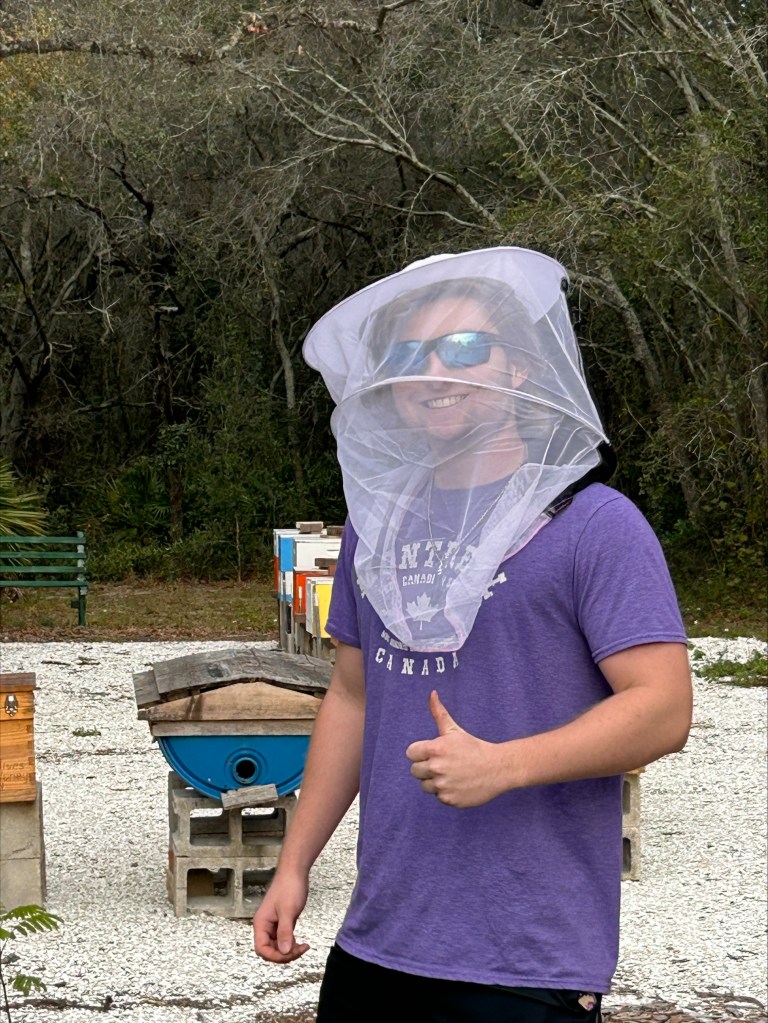
Drake Peyton, USF Student and Volunteer at USF Botanical Gardens, answers visitor questions in regard to the property. Although he studies electrical engineering, he is a nature enthusiast and continues to learn about vegetation and gardens. He has multiple beds where he grows different vegetables, herbs, and flowers.
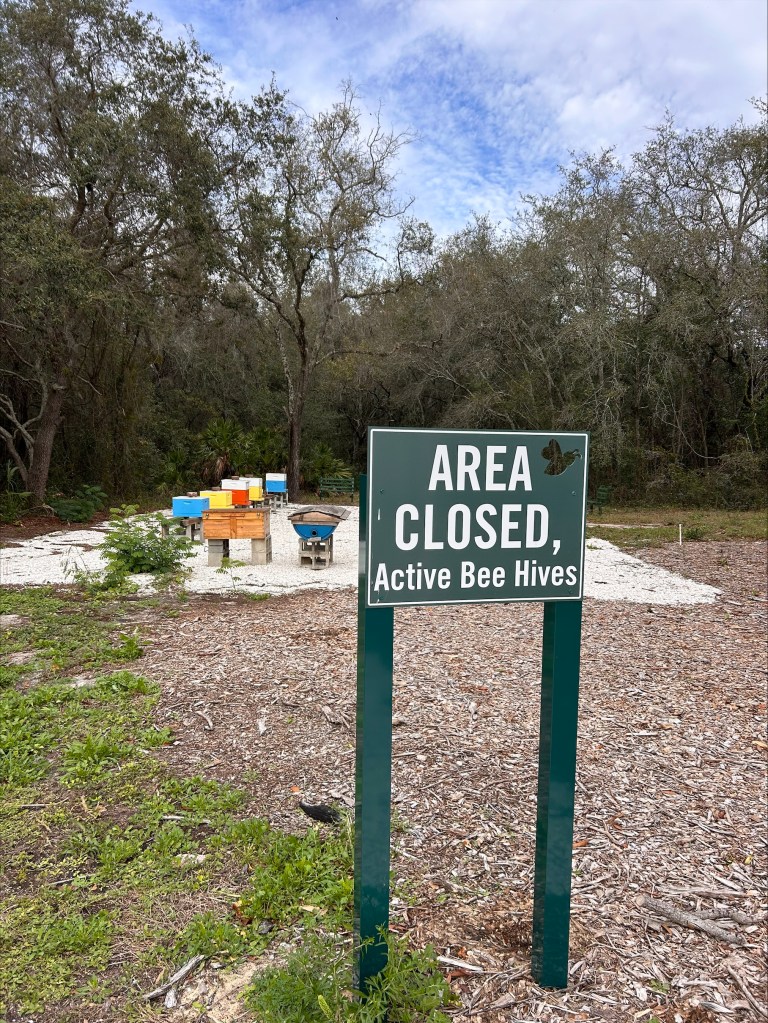
For those interested in bees—how they pollinate, create honey, and should be protected—there are beekeeping workshops for certification at USF Botanical Gardens.
Ashley Rodriguez, who teaches the beekeeping class at USF, instills the importance of bees to agriculture, health, and science. Rodriguez shares: “one of the responsibilities of a registered beekeeper is to help control Africanized bees. Since they are not native, US government allows us to have gentler genetics like Italian. Most bees did not migrate to the new continent; they were shipped to the new world by colonizers.”
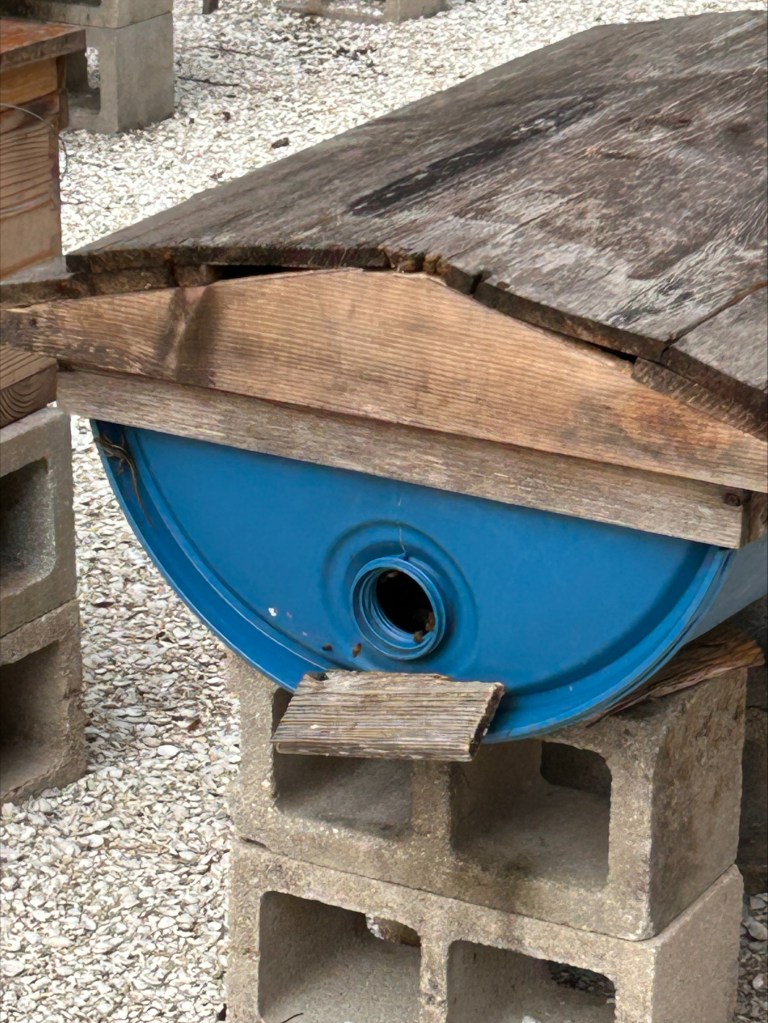
There are multiple types of honeybees (Apis species): Koschevnikov’s, Philippine, Eastern, Western, European, and Africanized. According to the University of Florida, some of these bees are not entirely pure but have different percentages of interbreeding (Apis) subspecies. So, the honeybee’s origin sets the tone of its complex life.
Honeybees have different ways of communicating, working, traveling, and pollinating, and when beekeepers and apiaries research, collect, and maintain colonies and beehives, we obtain valuable information and resources. The value of bees and honey are crucial to our livelihood and agriculture. Rodriguez explains: “bees communicate by smells, pheromones, and dances; the dances aid the location of resources to other bees. They can call bees to flowers or call guards to defend hives and them to where the queen is when swarming.”
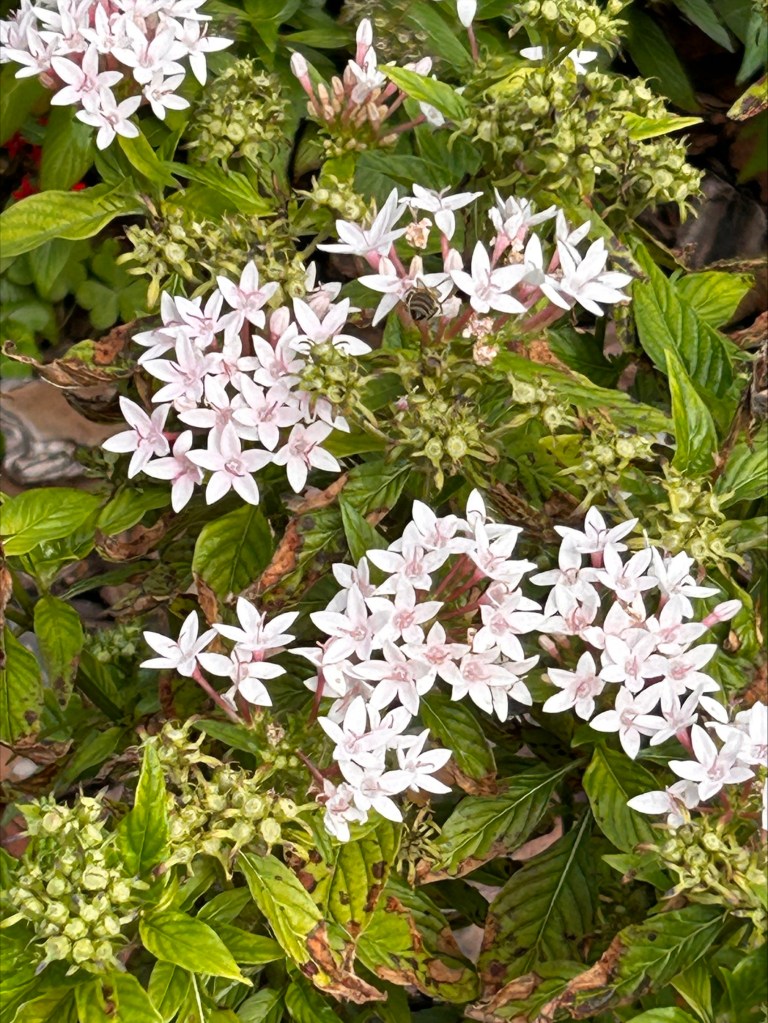
Farmers have learned to protect bee colonies, so their crops are not destroyed. For instance, many fruit, vegetable, and nut crops need bees as pollinators, so this food source continues. According to the University of Georgia, working bees (foraging) will travel, be exposed to pesticides, return to the hive, and contaminate the other bees who make honey and protect the queen.
Those in the Bee World are familiar with the term Colony Collapse Disorder which is when some adult bees will leave the hive to find pollen and never return. According to the American Farm Bureau Federation, in 2006, there was a severe loss in bee colonies due to the use of neonicotinoids to protect crops from pests.
Hives filled with honey will attract animals such as bears and skunks, and these animals can contaminate the colony. Not to mention parasites and fungus will destroy the colonies; these issues are known as European foulbrood and chalkbrood.
Honey continues to be a favored sweetener and/or remedy for us. With over 26 varieties, a person should recognize the plants, flowers, and processes for each one, and how it adds taste and/or health benefits to us.
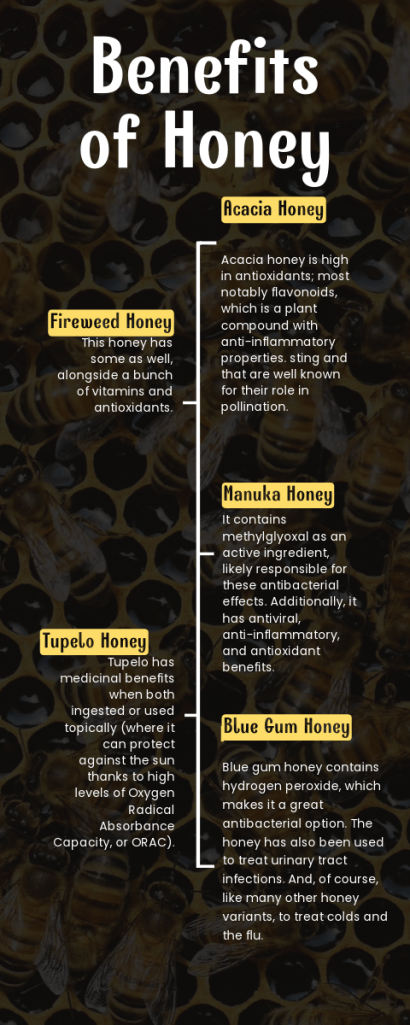
Rodriguez adds: “Honey in its raw state—not filtered—can improve the immune system. Honey can last centuries, so it can be stored for a long time. Anti-bacterial, can be used to heal wounds as well as for a facial treatment.”
 Stacy Feuerherdt