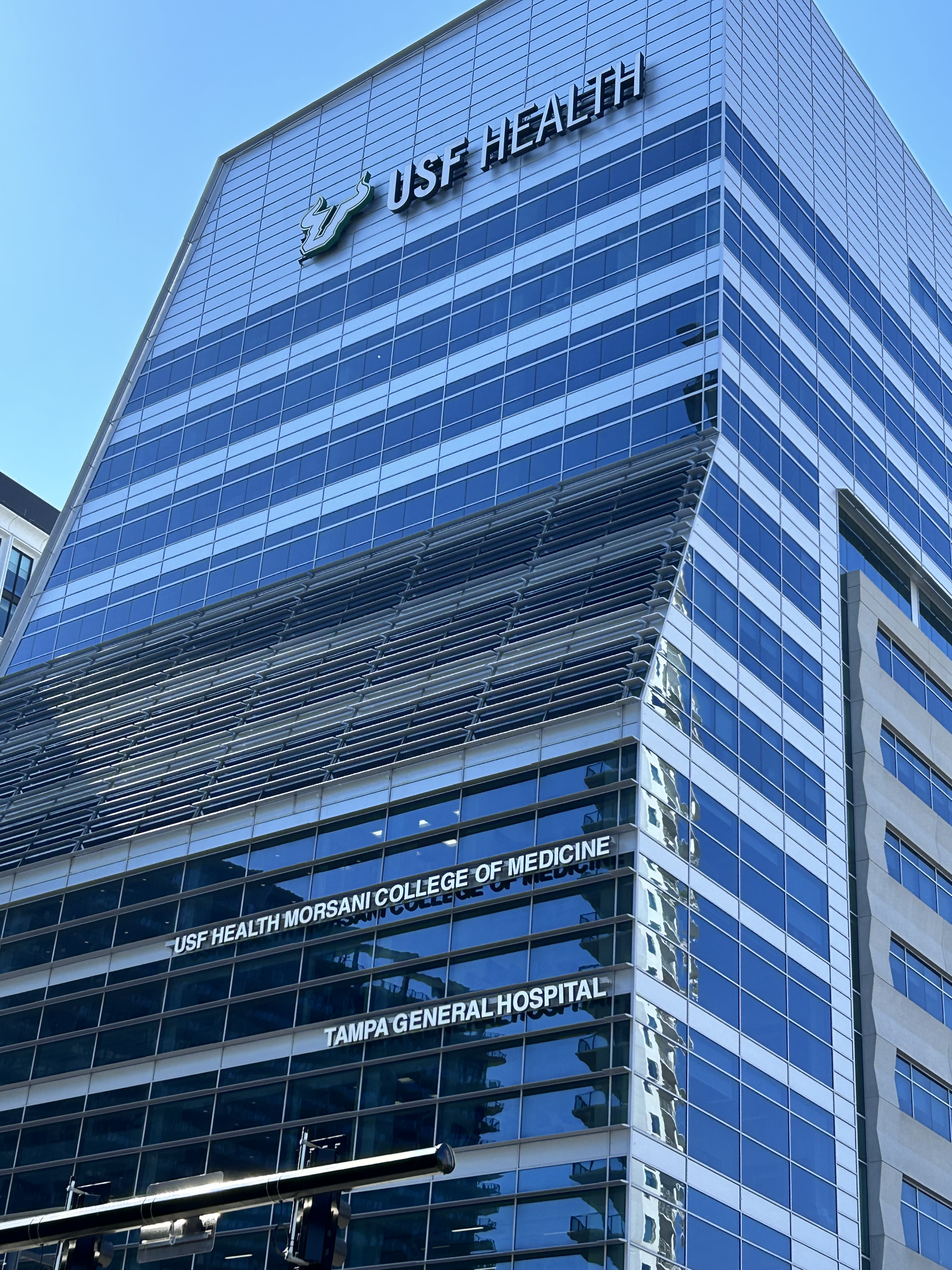
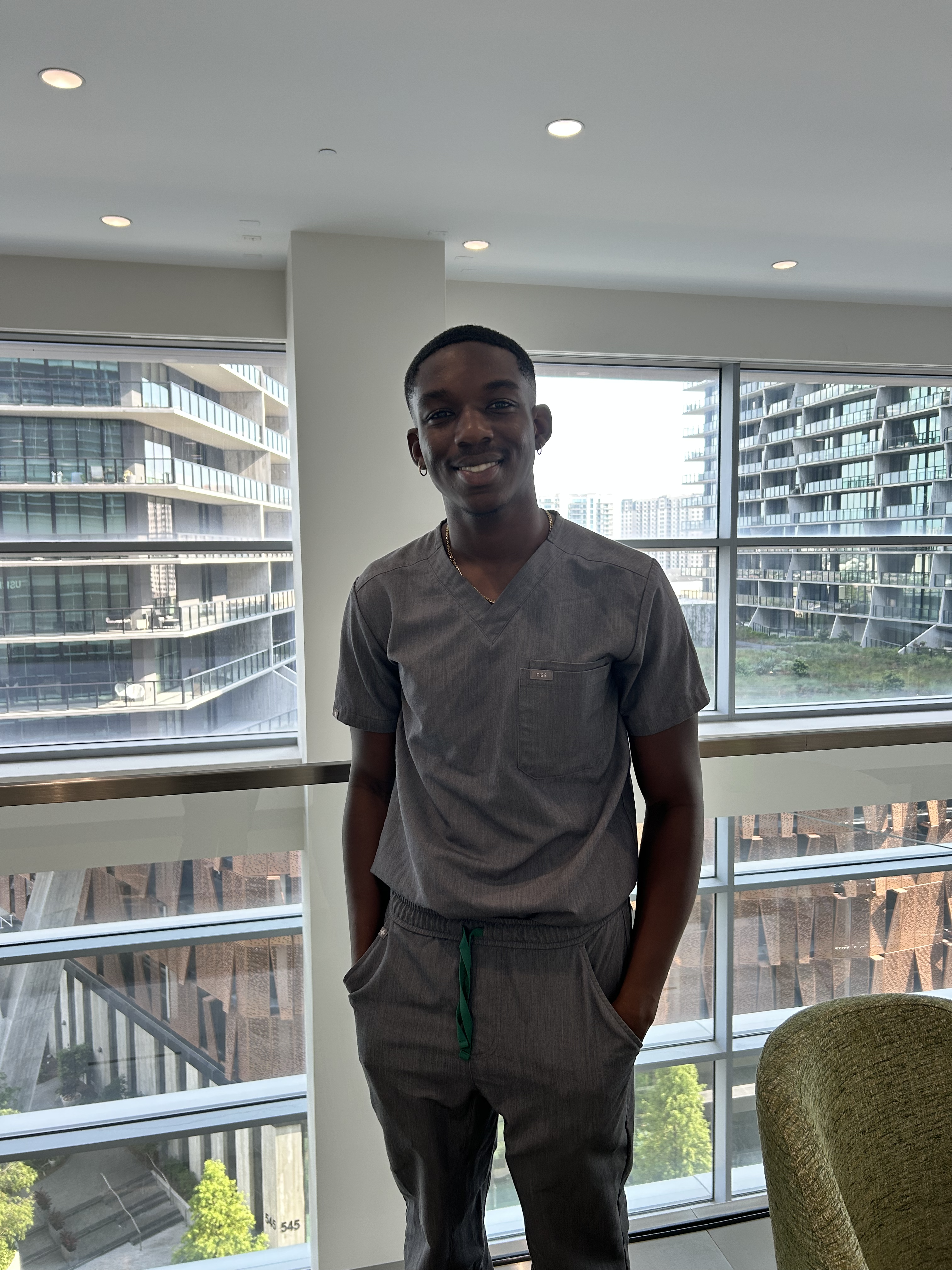
Medical students know there is more to diagnosing a patient than what is learned from a textbook or lecture series in a classroom. Clinical experience for students in the Health and Sciences continues to be expected, but there could be more coursework and internships involving patient care. With the COVID-19 pandemic, we have seen challenges in the health and science fields, where medical students were quickly immersed in real-world scenarios and teaching opportunities to assist doctors and patients. From the article, Medical students’ perceptions of learning and working on the COVID-19 frontlines: ‘. . . a confirmation that I am in the right place professionally’ Kiasen, provided a better understanding of and for medical students about their identity as health professionals through interviews; there were 21 participants who shared their experiences on the frontlines. Main themes of the analysis were: feeling as a doctor; feeling part of the team; sneak-peek for future career; dare to speak-up; well-being/coping; adapting; and improving skills.
In response to these experiences, there might be more student-led clinics affiliated with colleges and universities throughout the United States. Based on a study, The Impact of Student‐Faculty Collaborative Clinics on Patients’ Health Seeking Behaviors in Underserved Communities, by Rewan Abdelwahab, “student-run clinics bridge gaps in healthcare access and reduce health disparities. Also, student-faculty collaborative clinics have promoted positive health information seeking habits, trust in medical professionals and other “reliable” sources of medical information and advice, thereby fostering positive health seeking behaviors.”
For patients, routine check-ups by the doctor have been vital to staying healthy. As we age, we invest in ourselves to stay active and eat a nutritious diet to avoid disease and illness—and honestly– seeing the doctor no more than we need to. However, when we do not have health insurance, or it becomes too expensive to see a doctor and obtain necessary prescriptions, then we become creative and self-sufficient by seeking advice and research… it becomes our responsibility to find answers to avoid sickness, hospital visits, and medical costs. Companies, universities, colleges, and hospitals should consider partnering to benefit communities with valid, medical knowledge and needed sources.
The University of South Florida’s BRIDGE Healthcare Clinic is student-led and has multiple services involving medicine, pharmacy, physical therapy, public health, and social work. The clinic has limited appointments and is typically opened Tuesday and Thursday nights on a rotating basis. During these appointments, there are 2 student volunteers and 1 physician from a few departments.
Jaclyn Abraham, Co-Director of the Dermatology Clinic at BRIDGE, and a recent graduate of the USF Morsani College of Medicine has offered her expertise on issues surrounding medicine for her patients. If her patients cannot afford treatments, BRIDGE will offer recommendations and possible solutions—whether involving Good RX, health insurance, or out-of-pocket.
As patients, many of us have ventured via search engines such as Google and Bing for queries related to aches, rashes, and pain. Often we joke about WebMd giving us the list of over-the-counter medications or alternative remedies to aid with environmental allergies or sleep disorders.
However, the internet has allowed us to find information to assist with our physical and mental health, and we often self-diagnose ourselves based on the symptoms we research. Sometimes we can find explanations and treatments or remedies for a sprained ankle or skin issue, but the majority of us are not physicians and may not truly understand our health circumstances to treat our conditions. In this respect, utilizing the internet to research the terminology connected to symptoms could open the conversation with doctors and nurses, though. Also, creating a knowledge-based discussion with a doctor would give a patient more confidence and understanding of his or her health, so a trusting relationship permeates. Student-led clinics could provide more understanding and research for patients who struggle with trusting those in the medical field and assist with those patients without health insurance or the funds to obtain proper care.
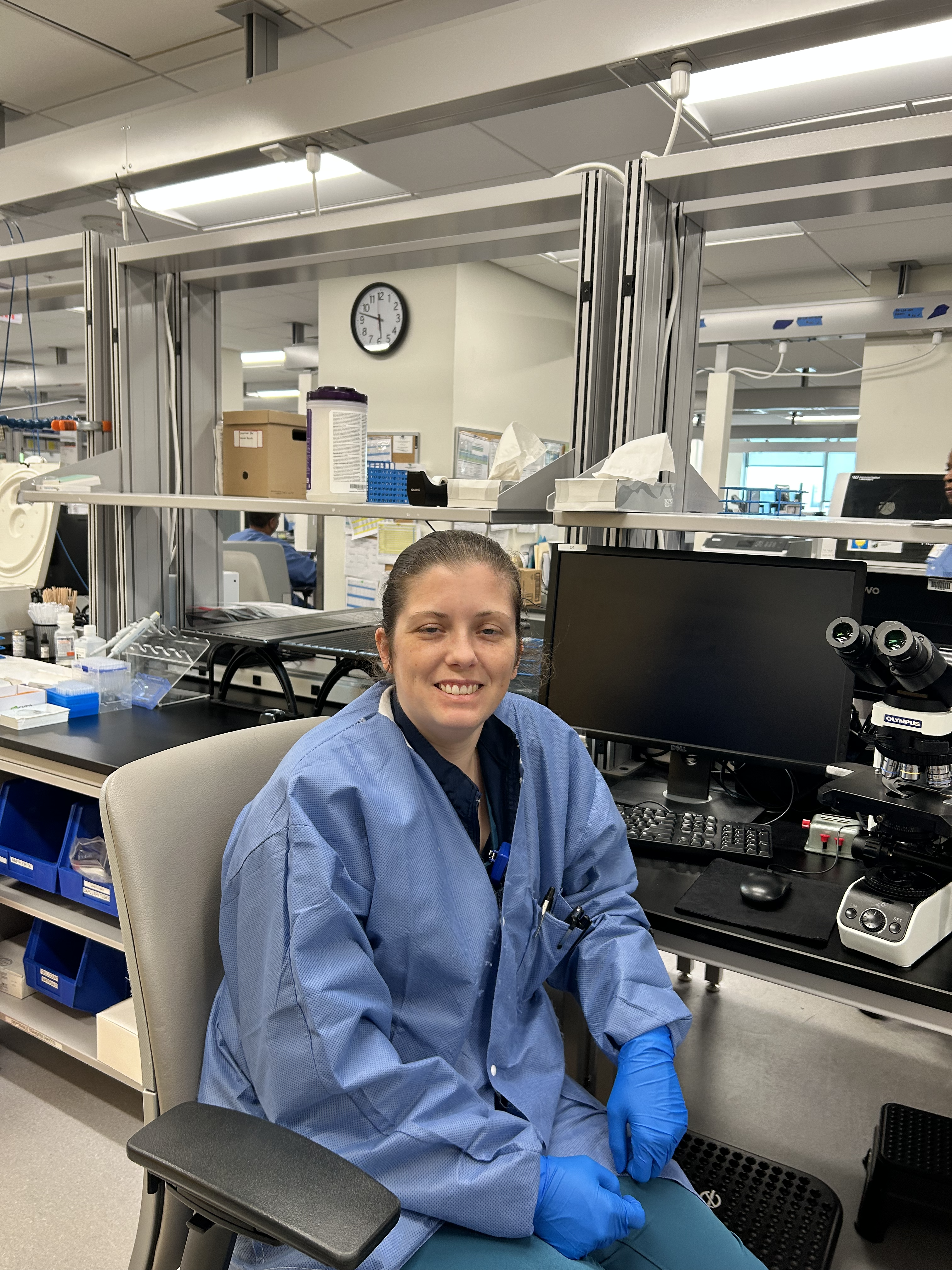
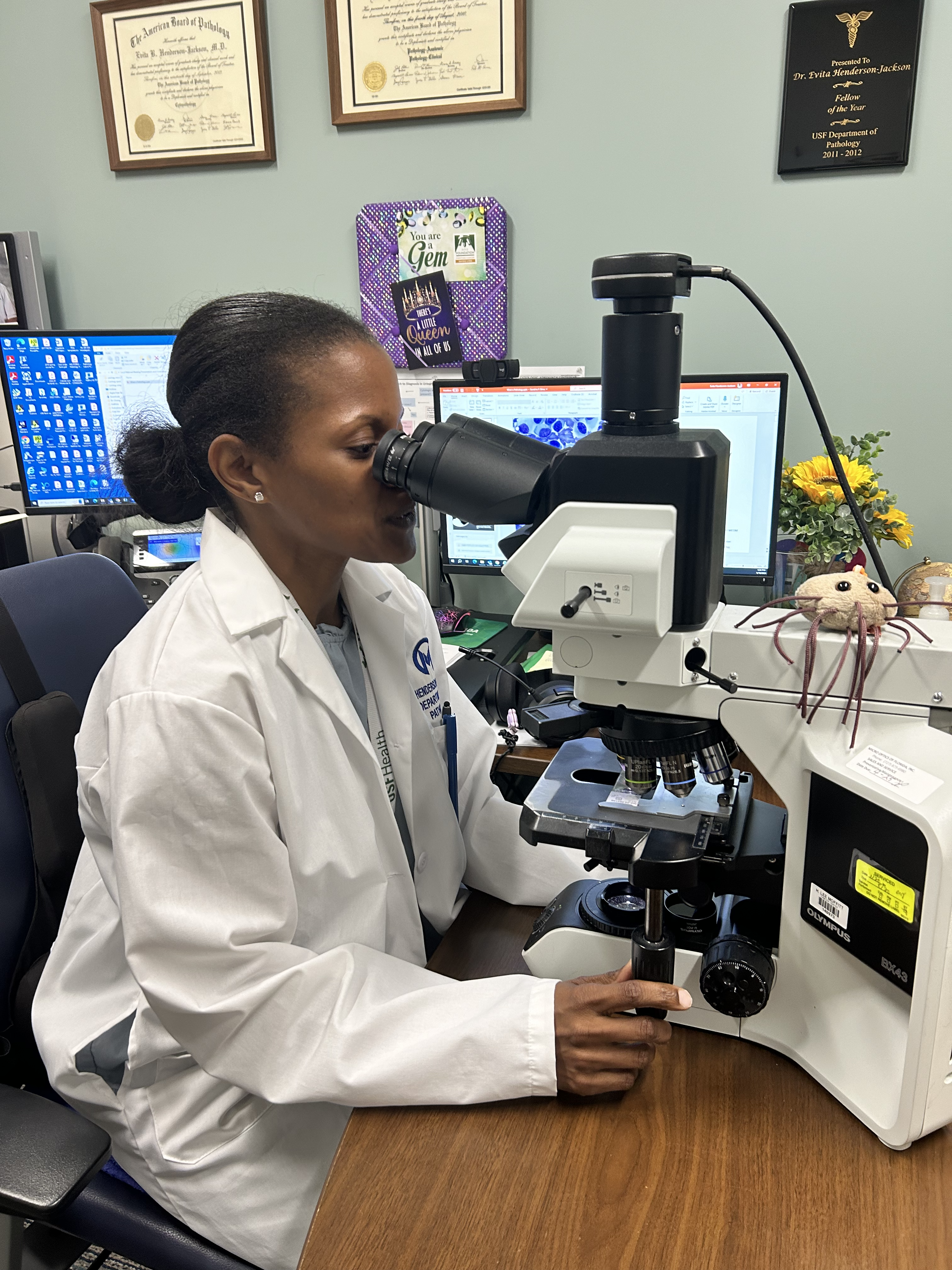
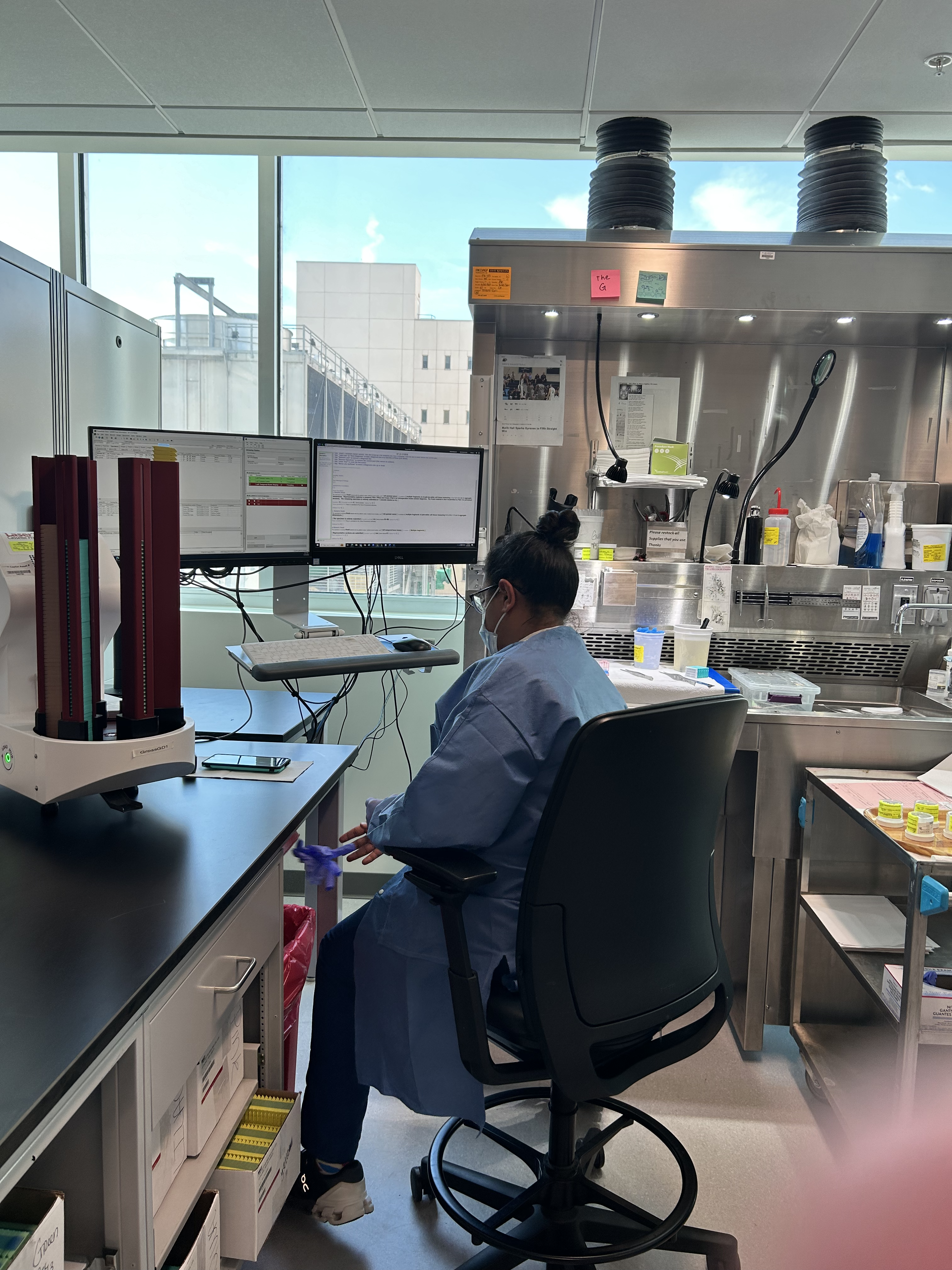
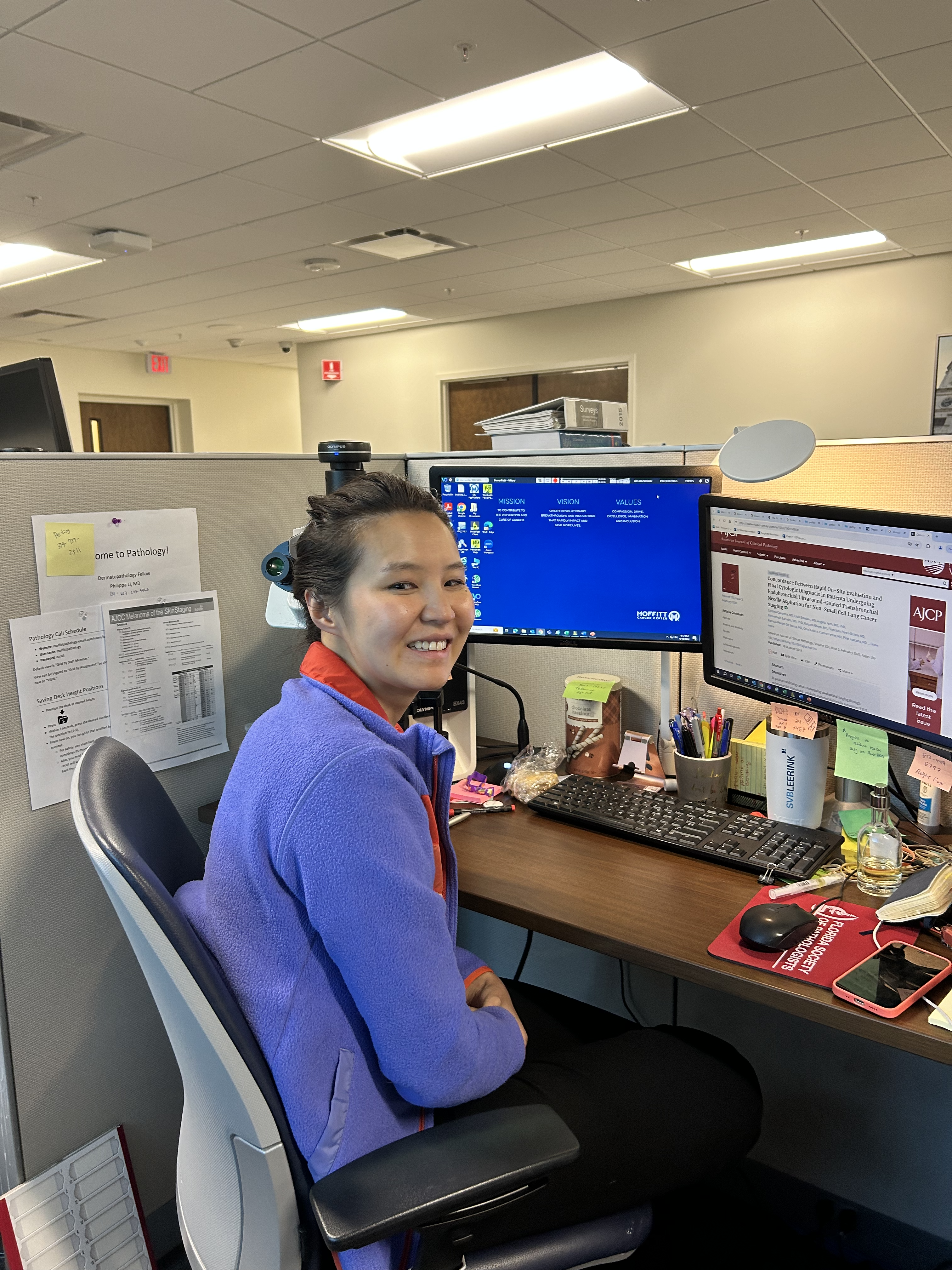
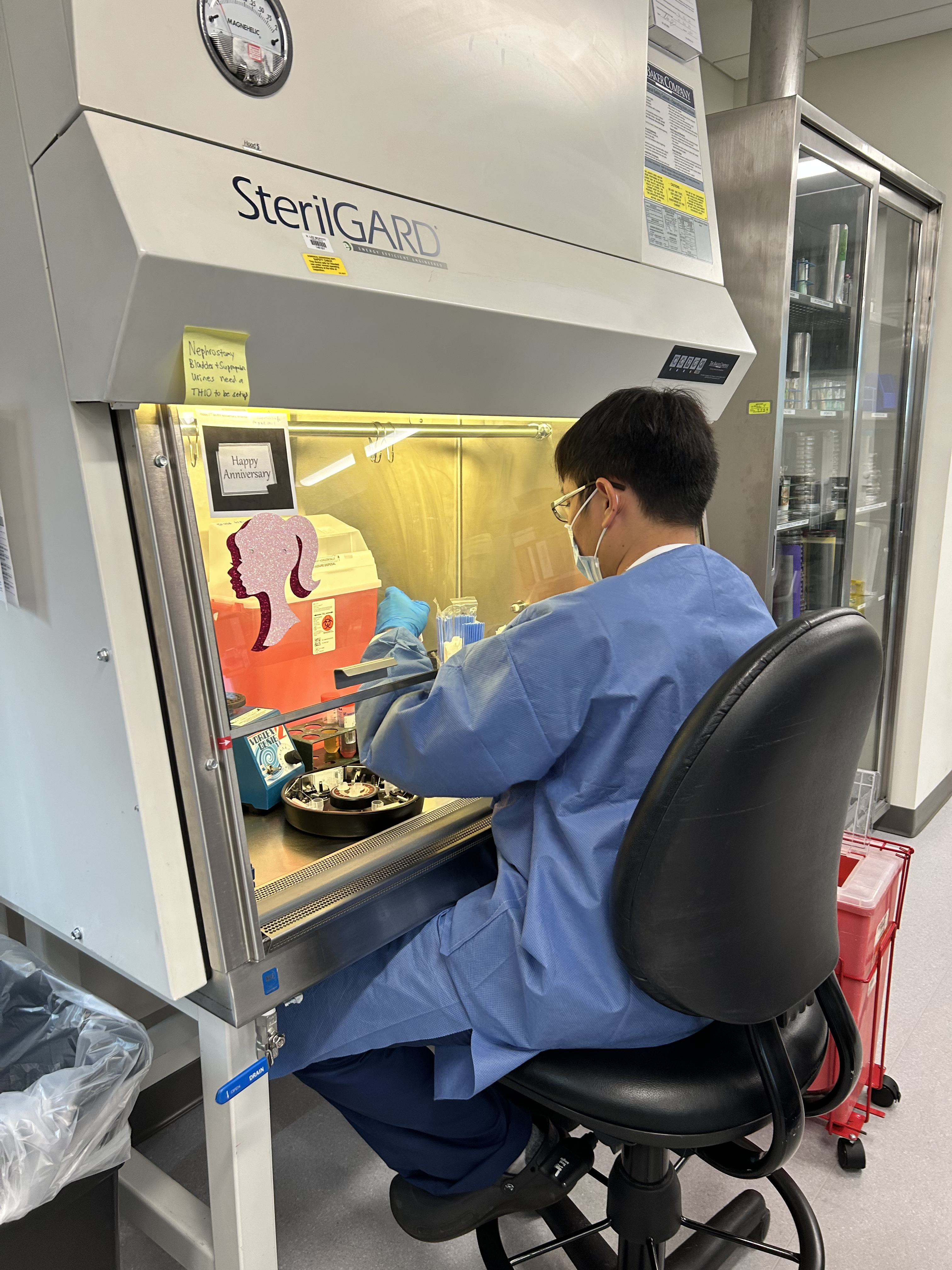
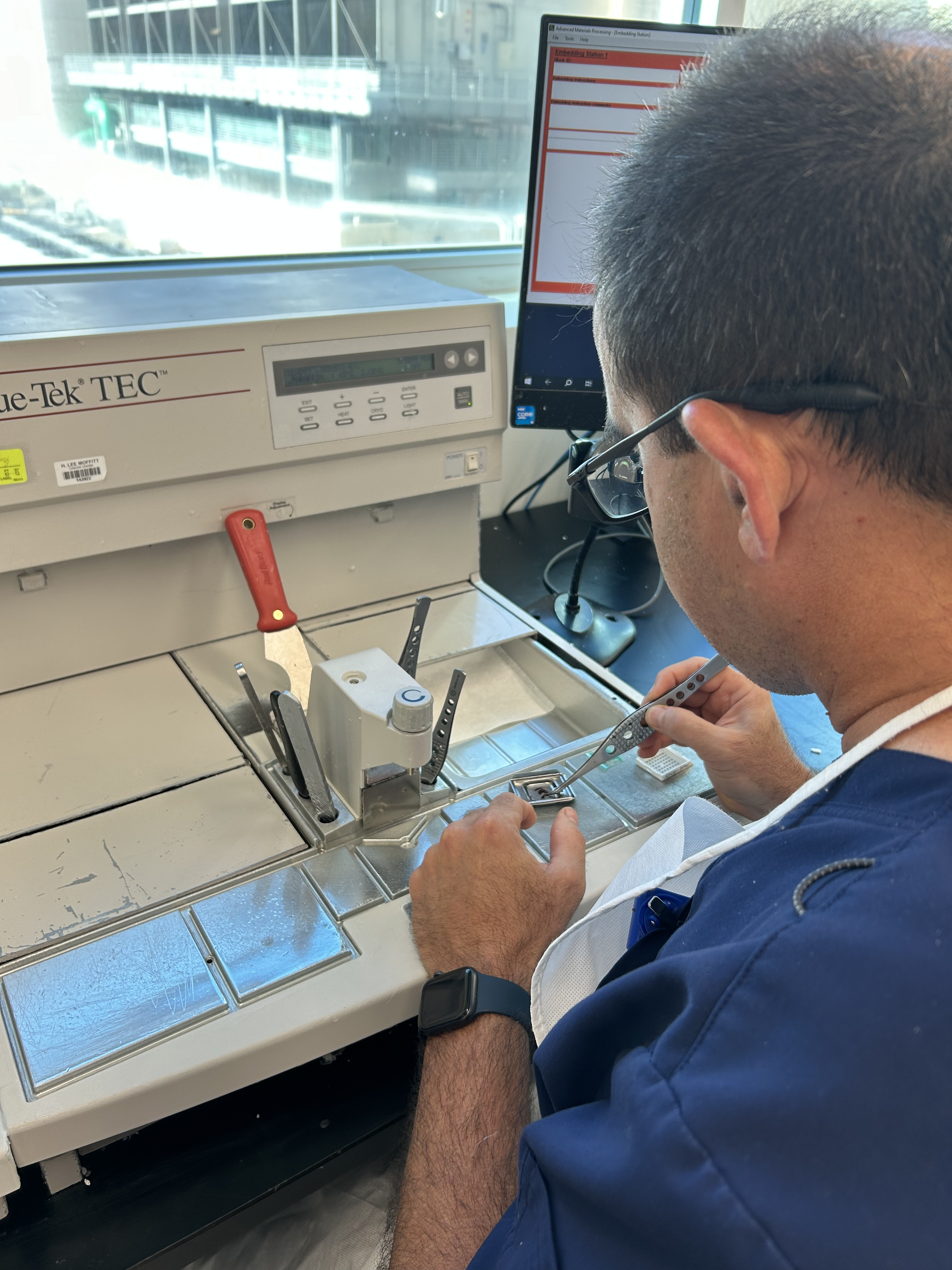
Dr. Evita Henderson-Jackson, pathology residency program director at the University of South Florida as well as surgical pathologist/cytopathologist at Moffit Cancer Center continues to train her students in the field, so they recognize trends in technology and are not only prepared for field tests and training, but also to connect with patients and practice medicine. Jackson states, “Some pathology residents can perform FNA procedures on palpable lesions and can provide preliminary information to guide diagnoses and/or testing that is cheap and quickly performed with use of needles with syringes, quick Diff Quik stains, slides, and a basic microscope. Get patients who need cancer care to correct doctors and/or tertiary hospitals if needed.”
Hillsborough Community College, Brandon Campus President, Dr. Deborah Kish Stephan has recognized instructors and students in the Health and Sciences. LinkedIn is one platform where she thanks all those involved in the success of the pre-health programming.
Amanda Dimauro, a Pre-Medical Honors student at Hillsborough Community College, Tampa, Florida, has been involved with the American Medical Student Association (AMSA) to gain more experience in the medical field. Two weeks ago, she traveled to Capitol Hill for an AMSA convention (Advocacy Day—Future Physicians for Change) where she attended multiple workshops to build upon her research and advocacy in the Health and Sciences. Dimauro’s inspiration in the research brought to Washington D.C. was based on HCC alumnus, Tyra-Lee Brett’s work in medical student preparation for the field. Dimaura states, “the data taken from the research project involving student study modules such as shadowing and clinical experience established the Pre-Health Society at HCC for the white coat ceremony.” She will be attending the University of South Florida in the fall to pursue her goals as an anesthesiologist.
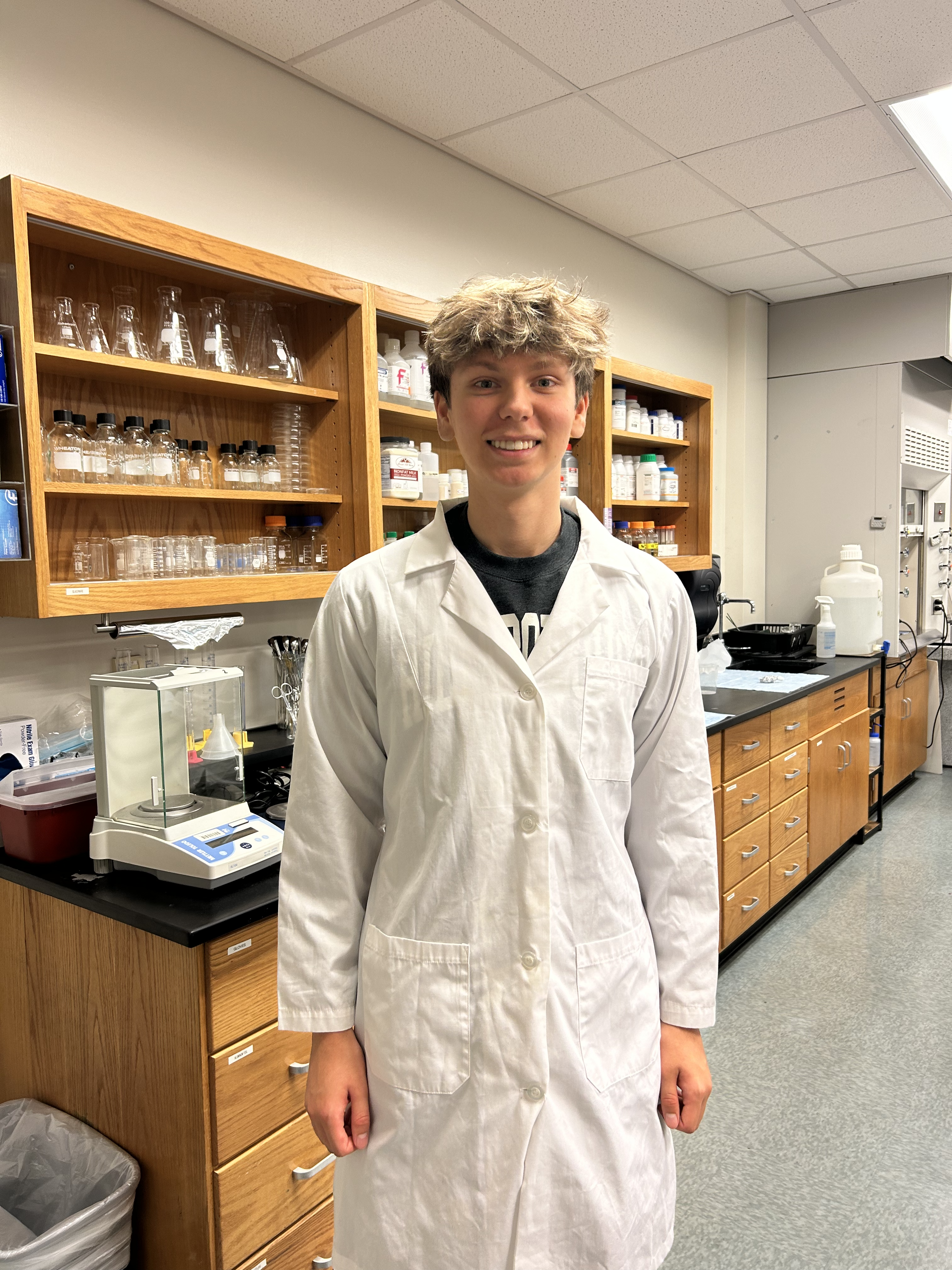
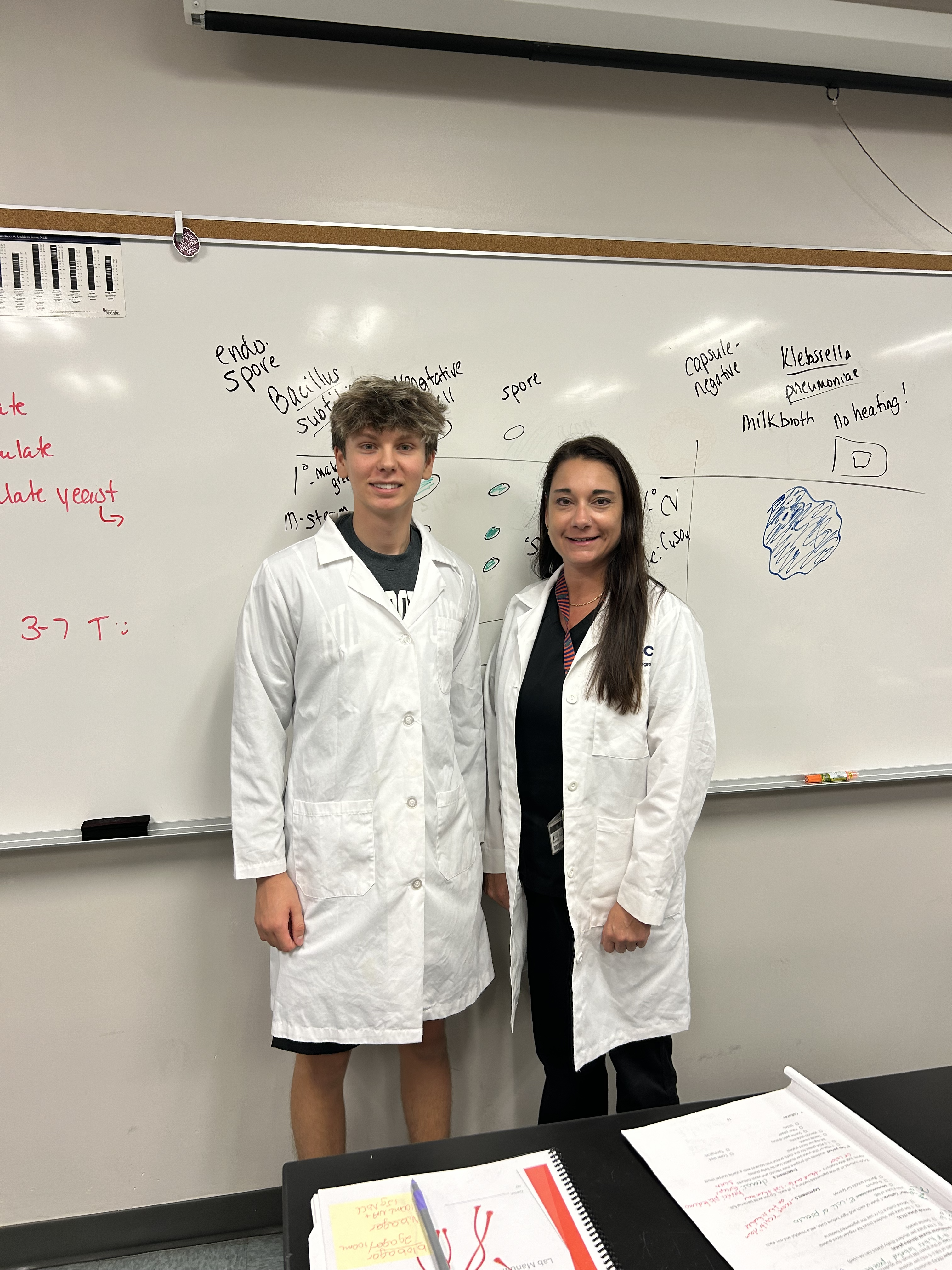
Charles Balmer is an Exercise Science major at Hillsborough Community College, Tampa, Florida, and continues to take courses to pursue his goals as a physical therapist. He also is involved with the American Medical Student Association (AMSA) and recently received his white coat in March 2024.
For the summer, he is taking multiple classes such as Chemistry to reach his true potential in understanding different diets. He has focused studying the Nutritarian diet which was developed by Dr. Joel Fuhrman and based of G-BOMBS (greens, beans, onions, mushrooms, berries, and seeds). Balmer believes that more Americans can improve their health with better nutrition. He also feels in the future, we will be eating more plant-based foods and curb the obesity concerns connected to the Standard American Diet (SAD) which is high amounts of processed and refined foods.
While in high school, Balmer has worked with athletes to assist with physical therapy, and he has been inspired by this experience to build his own business and work with multiple populations and introduce nutrition in his physical therapy.
Devaun Reid a medical student at USF Morsani College of Medicine, Tampa Florida, has a concentration in minority health and health disparities. He has written and published 4 articles surrounding rare conditions involving minorities, Lupus, Cavernous Sinus Syndrome, and Shewanella Celluilitis. With extensive research for a case study, Reid recognized a patient with a history of depression and bipolar disorder, who had these issues based on a diagnosis of brain cancer. Reid mentioned that certain cancers can have inflammatory processes that damage the brain material. In this respect, a clinician has to be aware of the symptoms that come from cancer. Reid is in his third year of medical school, and he would like to serve communities that have little to no access to medical sources. In response to medical school, he states, “it’s not just about scores; it’s about volunteering, about research—about bolstering the medical field; USF helps me with my specialties, and it’s really helpful.”
Government policies and practices that assist Americans in acquiring and receiving healthcare is not always successful. According to The Assistant Secretary for Planning and Evaluation (ASPE), since 2020, there has been a steady decrease in uninsured Americans. Factors involving high costs and loss of benefits from layoffs are the main reasons why Americans do not have health insurance. But we have to review how the economy can impact the current and future changes in marketplace coverages for families–connected with the American Rescue Act and the Affordable Care Act.
Also, changes in Medicare and Social Security as well as Medicaid timeframe constraints for renewals—in particular, Children’s Health Insurance Program (CHIP). In this respect, healthcare sources and initiatives need to be discussed at all levels, so there are more possibilities and assistance. According to the USF Newsroom, Adam Freeman, states: “Florida Gov. Ron DeSantis signed the 2024-25 state budget that included $7.2 million to invest in campus life facility projects on all three campuses and USF Health funded through the state’s Capital Improvement Trust Fund.”
Universities and colleges with more students and instructors who conduct research, volunteer time, and rally for new laws, student-led clinics are not only valuable resources in communities but also continued investments.
 Stacy Feuerherdt